


Impact Stories
Home > Impact Stories > Bridging the gap in cancer care
June 2023
Living in Australia, there is about a one in two chance you will be diagnosed with cancer before the age of 85.
But not all Australians have the same chance of survival. Who you are and where you live can influence how likely you are to die. It’s something University of South Australia epidemiologist Professor David Roder is hoping to change using linked data.
Professor Roder, a research chair with the Beat Cancer Project, has been studying cancer for more than forty years. He says Australia is unusual in having cancer data that cover the whole country. Until recently, cancer registries in the US only included about a quarter of the population.
“We have cancer data in our registries for every person who gets a reportable cancer throughout Australia,” Professor Roder says. “That allows us to look at remote areas and those at increased risk, such as Aboriginal people, low socioeconomic areas and so on, to see if there are disparities that need to be addressed.”
Cancer incidence data have been available in Australia since 1982. But generally, they only contain a limited amount of data, such as the location and type of cancer diagnosed. It’s by combining the cancer registry with other data that Professor Roder sees real potential.
Screening and treatment
By linking cancer data to immunisation records, for instance, Professor Roder and his colleagues can study how HPV vaccines affect cervical cancer rates. They can see the difference made by screening programs.
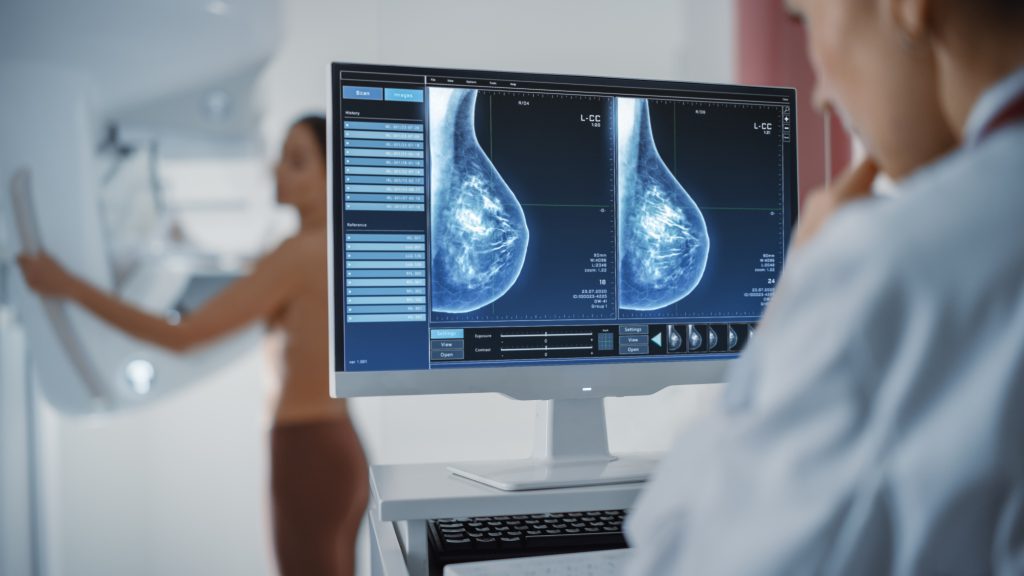
“We’ve got breast screening, cervical screening and bowel screening data that show participation in screening across the country,” Professor Roder says. “This answers the question of whether there are some groups in the population who aren’t getting their screening.”
“Combining the cancer registry with other data is where we see real potential.”
Last year, the Australian Government introduced the option of self-collection for cervical tests. Professor Roder is currently researching whether self-collection improves screening coverage, such as in women who previously found the test too intrusive. This includes some women from diverse cultural backgrounds.
“Will self-collection increase screening coverage of the population?” Professor Roder says. “This needs monitoring if we are to reach the target of cervical cancer elimination by 2035.”
Improving Aboriginal health
After years of research, one study that stands out for Professor Roder is a project looking at cancer in Aboriginal people.

“We were able to show the differences in outcomes in Aboriginal people compared to other people by stage of cancer,” he says. “Also how quickly they got care, and how their care measured up compared with non-Aboriginal people.”
A community reference group of Indigenous Australians drove the project. “Even when we did this, which was back in 2010, there was a very strong position that Aboriginal people needed to participate in the collection of their own data,” Professor Roder says. “And now that’s even stronger. We’re talking about data sovereignty—that Aboriginal people should have much greater control of their data and data presentation.
More information
Watch related webinar with Professor David Roder
Privacy and security
Privacy protection and data security lie at the heart of the Population Health Research Network. The collection, use and disclosure of personal information by government agencies and other agencies are bound by strict legislative and regulatory conditions. Researchers wishing to access linked data must also adhere to stringent conditions, including ethics approval, data custodian approval and the development of a detailed data security plan.
Researchers are typically given access to a linked data set put together to meet the specific needs of their project. This de-identified data includes only the minimum information required for the research, such as age rather than date of birth. Government agencies handle personal information in highly secure environments. Data is delivered to researchers through a secure remote access facility, ensuring no information is stored on the researcher’s personal computer or their institutional network.
Researchers cannot export raw data from this system, only their analyses, and these are checked. Researchers must only use the data for the approved purpose and are not allowed to link any other information. At the conclusion of the project, all data must be destroyed or returned. Penalties for researchers and government employees can include criminal conviction, jail time or substantial fines. In the more than ten years since the network began, there has never been a breach.