


Impact Stories
Home > Impact Stories > Reducing the dialysis travel burden

February 2024
According to Kidney Health Australia three in four Australians are at risk of developing kidney disease.
Kidney disease is sometimes called a ‘silent disease’, since you can lose up to 90 per cent of your kidneys’ functionality before experiencing any symptoms. One option for managing kidney failure is haemodialysis, a treatment which filters out toxins, wastes and extra fluid. Better Health Victoria report, on average, patients have dialysis three times a week for the rest of their lives or until they receive a kidney transplant. Each dialysis session may last four to five hours.
Time spent travelling to and from dialysis centres is a source of stress for many patients, so Advancing Kidney Care Information Solution manager Alison Kelly and her team are exploring ways to reduce the travel burden for Queenslanders with kidney conditions.
Since 2020, Queensland’s digitally integrated data source called the Advancing Kidney Care Information Solution, or AKCIS, has collated information about people on haemodialysis, as well as those with acute kidney injuries or who have had a kidney transplant. Data on patient demographics and service delivery profiles are also gathered.
The combined data source is available to authorised Queensland Health users, providing a significant opportunity to shape service planning, improve the patient experience and reduce health service costs.
Service delivery planning
AKCIS helps service delivery planning in several practical ways, Ms Kelly explains. Knowing the home address of patients receiving in-centre haemodialysis, up to 13 times each month, influenced the location of seven new dialysis centres being built across regional Queensland, ensuring patients get care as close to home as possible.
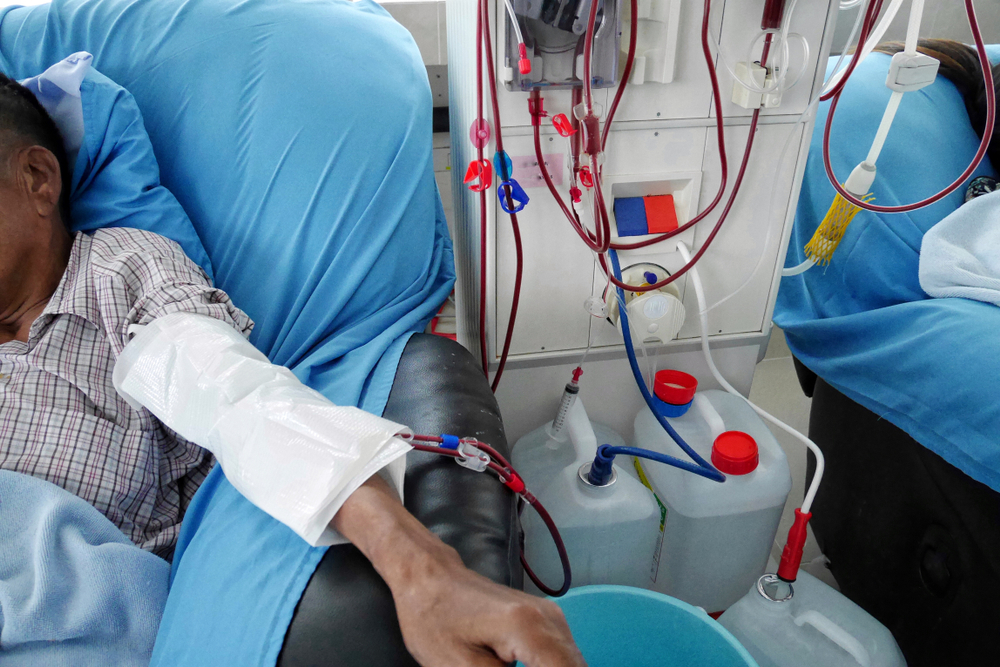
“Tracking hospital and health-based kidney service activity is helping staff understand the movement of patients between health service catchments,” Ms Kelly says. In turn, this information can help service providers adapt their workflow and models of care in a way that, crucially, works for patients.
Translating linked data into service improvement
AKCIS uses data linked by Data Linkage Queensland within Queensland Health including hospital admissions, non-admitted service events and patient deaths so staff can better see the care continuum for kidney health. Data Linkage Queen receives some funding support from the Population Health Research Network.
For example, by linking residential patient data with facility location to get a geospatial reference (location information), staff can examine the distance and time patients spend travelling from their home to the centre where they receive treatment.

“Looking at both the distance and time patients travel is important,” Ms Kelly says. “City-based patients might live a short distance from their kidney centre but have long travel times due to traffic, whereas patients living in rural areas might have long distance and travel times. In remote locations such as the Torres Strait, patients might live a short distance from a centre but experience long travel times if they travel by boat or plane to get to a centre.”
Having these linked data means health services can now identify the best locations for new dialysis centres based on how far people are travelling. Service providers may consider providing tele-dialysis instead or identify patients suitable for home dialysis.
Plans are underway to link the AKCIS dataset with advanced care planning information. This will help staff identify patients who might benefit from an important conversation to decide their future care. Having an advanced care directive clarifies the healthcare treatments a patient would like to have or refuse, should they become too ill to make or communicate decisions about their care.
To better visualise the spread of services and identify gaps in service coverage, AKCIS data will soon be linked with maps, Ms Kelly says. “This could inform disaster management planning, identifying people affected by natural disaster and relocating their treatment in the event of a serious fire or flood for example.”
Providing a better understanding of renal patients’ journeys has been the true success of AKCIS. As the dataset continues to expand, improved service planning, funding and delivery will further reduce the travel burden for Queenslanders with kidney conditions.
More information
Queensland Data Linkage Symposium 2023, related presentation by Alison Kelly, Manager, Advanced Kidney Care Information Solution
Privacy and security
Privacy protection and data security lie at the heart of the Population Health Research Network. The collection, use and disclosure of personal information by government agencies and other agencies are bound by strict legislative and regulatory conditions. Researchers wishing to access linked data must also adhere to stringent conditions, including ethics approval, data custodian approval and the development of a detailed data security plan.
Researchers are typically given access to a linked data set put together to meet the specific needs of their project. This de-identified data includes only the minimum information required for the research, such as age rather than date of birth. Government agencies handle personal information in highly secure environments. Data is delivered to researchers through a secure remote access facility, ensuring no information is stored on the researcher’s personal computer or their institutional network.
Researchers cannot export raw data from this system, only their analyses, and these are checked. Researchers must only use the data for the approved purpose and are not allowed to link any other information. At the conclusion of the project, all data must be destroyed or returned. Penalties for researchers and government employees can include criminal conviction, jail time or substantial fines. In the more than ten years since the network began, there has never been a breach.