


Impact Stories
Home > Impact Stories > Stopping respiratory virus spread
May 2024
During the colder months, soaring cases of respiratory viruses push hospital emergency departments around Australia to their limits.
Linking cases of acute respiratory infection with vaccination data enables Queensland Health senior consultant epidemiologist Professor Ross Andrews and his team to plan for better service delivery and future health crises.
Whooping Cough
Whooping cough is a highly contagious respiratory infection caused by the bacterium Bordetella pertussis. Though it can affect people at any age, babies in their first six months of life are most at risk and one in every 200 babies that contract whooping cough will die.
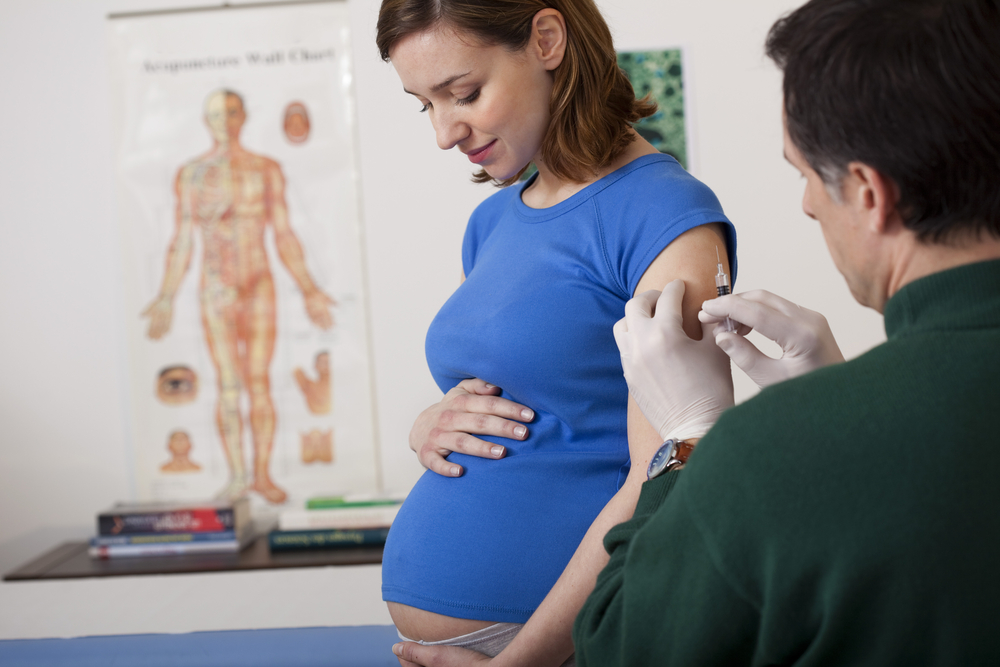
Professor Andrews was part of a team keen to learn the outcome of babies whose mothers were vaccinated for whooping cough during pregnancy. Data Linkage Queensland, supported by the PHRN, helped link infectious cases with vaccination data. Of the 297,000 total births in Queensland, 124 infants developed whooping cough in their first six months of life, but the risk was much lower for infants of mothers who were vaccinated during pregnancy.
“It was a great result, demonstrating the vaccine’s effectiveness,” Professor Andrews says. “So, if you know somebody who is pregnant, or who is going to be around newborns, tell them the best thing they can do is to get vaccinated because after a really slow period, we are starting to see a surge in whooping cough cases.”
Tracking COVID-19 case surges
Across Queensland, data on each person admitted, discharged or transferred within the public hospital system is linked daily.
Professor Andrews likens the linkage of this data to putting a dipstick in a bucket of information. “It allows us to see the known cases of COVID-19, influenza or RSV (respiratory syncytial virus) in Queensland’s public health system,” he says.
Using this linked data, his team monitors hospital bed occupancy among infected people and tracks trends. Each day, hospitals across Queensland record the number of COVID-19 inpatients. Queensland Health reports this and other acute respiratory surveillance data weekly on their website.
Early in the COVID-19 epidemic, keeping track of the number of hospitalised patients was a manual process. Running data linkage in parallel with the local team’s counts, confirmed the data linkage estimates were close. This allowed Queensland Health to track waves of COVID-19 and spared staff the time-consuming chore of manually counting and reporting daily cases and then linking that information with vaccination records.
“Now if we see a jump in cases, thanks to the data linkage, we can also see whether those people are vaccinated or not,” he says. “Even today, three out of four cases are in people over 65, more than half of whom haven’t had a COVID-19 booster in the last twelve months.”
“The problem isn’t that the vaccine doesn’t work, but that people aren’t getting vaccinated. People aged over 75 should get a booster dose every six months since they are the highest risk group.”
Influenza
Influenza (the ‘flu’) causes around hundreds of deaths and thousands of hospitalisations annually in Australia. Infants under seven months are too young for the vaccination however, vaccinating women during pregnancy can help protect their baby. Until recently, Queensland Health knew the number of influenza cases but not whether people had been hospitalised until the patient’s discharge coding came through weeks later.
“Now, linking influenza and vaccine data provides reliable information, almost in real-time,” he says. “And the way to reduce the number of people being in hospital with influenza is to vaccinate. It’s not rocket science.”
During July and August 2023, 121 babies under seven months across Queensland suffered from influenza, and 34 were hospitalised. In the same period, 1530 people aged 65 and over developed influenza, three in four of whom were not vaccinated. More than 400 people were hospitalised, adding to the winter burden on the health system.
The work of Professor Andrews and his team showcases how effectively data linkage can shape service planning and delivery. Meanwhile, individuals can help minimise pressure on hospitals by staying up to date with vaccines and adopting other preventative measures.
More information
Queensland Data Linkage Symposium 2023, related presentation by Professor Ross Andrews
Privacy and security
Privacy protection and data security lie at the heart of the Population Health Research Network. The collection, use and disclosure of personal information by government agencies and other agencies are bound by strict legislative and regulatory conditions. Researchers wishing to access linked data must also adhere to stringent conditions, including ethics approval, data custodian approval and the development of a detailed data security plan.
Researchers are typically given access to a linked data set put together to meet the specific needs of their project. This de-identified data includes only the minimum information required for the research, such as age rather than date of birth. Government agencies handle personal information in highly secure environments. Data is delivered to researchers through a secure remote access facility, ensuring no information is stored on the researcher’s personal computer or their institutional network.
Researchers cannot export raw data from this system, only their analyses, and these are checked. Researchers must only use the data for the approved purpose and are not allowed to link any other information. At the conclusion of the project, all data must be destroyed or returned. Penalties for researchers and government employees can include criminal conviction, jail time or substantial fines. In the more than ten years since the network began, there has never been a breach.