


Impact Stories
Home > Impact Stories > Third and fourth-born: who to target in vaccination campaigns
June 2021
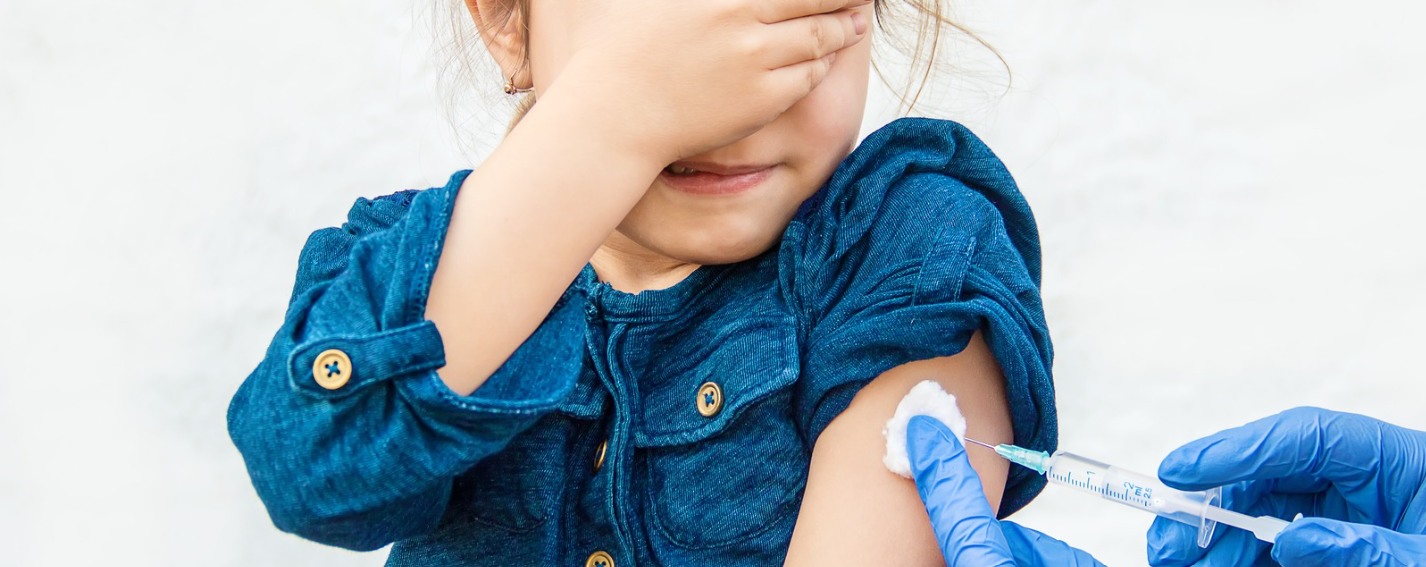
Third and fourth-born children are far less likely to be vaccinated on time than their older siblings, research suggests.
Scientists made the discovery by bringing together immunisation, pregnancy and birth records for almost two million Australian children. Others at risk include children of Aboriginal and Torres Strait Islander descent, premature babies, and those born to younger mothers and mothers who smoked. The research would not have been possible without support from the Population Health Research Network.
Boosting on-time immunisation
Up to a quarter of Australian babies aren’t getting vaccinated on time, leaving a window where they are vulnerable to life-threatening illnesses such as whooping cough. It’s a challenge epidemiologists Associate Professor Hannah Moore and Associate Professor Heather Gidding are tackling to keep babies out of hospital.
A/Professor Gidding, who is based at the University of Sydney, says Australia has a very good national immunisation register. But the register only contains limited information, such as a person’s date of birth, postcode, and the date a vaccine was given. “We can’t really tell too much about the people who are getting vaccinated,” A/Professor Gidding says.
“We can’t identify if the vaccine is reaching particular groups in the population who might be at high risk of infection or make sure the vaccine works equally well in all population groups. Really, we need to link in other data sets to be able to do that.”
Identifying targets for intervention
Dr Moore and A/Professor Gidding were part of a team who, for the first time, brought together immunisation records, hospital data, birth records, laboratory data and infectious disease notifications. The study included 1.9 million babies born in WA and NSW between 1996 and 2012.
Associate Professor Hannah Moore
Dr Moore, who is based at the Wesfarmers Centre of Vaccines and Infectious Diseases at Telethon Kids Institute, says the research detected key groups where only 50 to 60 per cent of babies received their two, four and six-month immunisations on time. She says it helped identify families who would benefit from targeted intervention. That could be SMS reminders or a recall notification.
“Families who are on their third or fourth child—they’re the ones you want to target,” Dr Moore says. “They’ve got so many other things going on that getting their little reminder to vaccinate their third child on time is something that’s probably more important than a first-time parent.” Shortly after the research was published, the Australian Government launched the ‘Get the Facts’ campaign, encouraging Australian parents to get their kids vaccinated on time.

Ensuring vaccines are safe and effective
A/Professor Gidding says linked data can also help determine whether the vaccines work as well in high-risk groups.
“Through the linkage of the perinatal data and the hospital data, you can identify children in medically at-risk groups who are eligible to get extra doses,” she says.
Another study used linked data to look at the effectiveness of Australia’s unique pneumococcal vaccination schedule. The research informed immunisation guidelines for developing countries and provided the first estimates of vaccine effectiveness for Aboriginal children. And as millions of Australians line up for COVID-19 vaccinations, A/Professor Gidding says data linkage will be needed for rigorous epidemiological studies into the vaccines’ safety and effectiveness in the real world.
“The linked data can be used for those studies to really confirm or refute any signals that have been detected,” she says. Dr Moore also sees linked data being used to find out whether COVID-19 vaccines can provide indirect protection against other viruses. “One of the analyses we’re doing to do at the moment is trying to ascertain if there’s any cross protection of the influenza vaccine to RSV, another main respiratory virus in kids,” she says.
“So I think with the COVID vaccines, the ability to then look at the broader impact on other disease outcomes is possible through linked data.” Dr Moore says data linkage is essential for a gold standard vaccine monitoring program. “There’s so much advantage and strength in pooling all of these data together,” she says. “The types of research that we’ve done—you couldn’t do it any other way.”
For A/Professor Gidding, it’s a moral imperative.
“We have a moral obligation to do it,” she says. “We have the ability, and it’s so important.”
More information
Video from related webinar with A/Professors Moore and Gidding
Privacy and security
Privacy protection and data security lie at the heart of the Population Health Research Network. The collection, use and disclosure of personal information by government agencies and other agencies are bound by strict legislative and regulatory conditions. Researchers wishing to access linked data must also adhere to stringent conditions, including ethics approval, data custodian approval and the development of a detailed data security plan.
Researchers are typically given access to a linked data set put together to meet the specific needs of their project. This de-identified data includes only the minimum information required for the research, such as age rather than date of birth. Government agencies handle personal information in highly secure environments. Data is delivered to researchers through a secure remote access facility, ensuring no information is stored on the researcher’s personal computer or their institutional network.
Researchers cannot export raw data from this system, only their analyses, and these are checked. Researchers must only use the data for the approved purpose and are not allowed to link any other information. At the conclusion of the project, all data must be destroyed or returned. Penalties for researchers and government employees can include criminal conviction, jail time or substantial fines. In the more than ten years since the network began, there has never been a breach.